

Bali

Category
Culture Subjects

Culture Subject Trip to Bali

Indonesia is an archipelago of 17506 islands, of which Bali is by far the most popular.

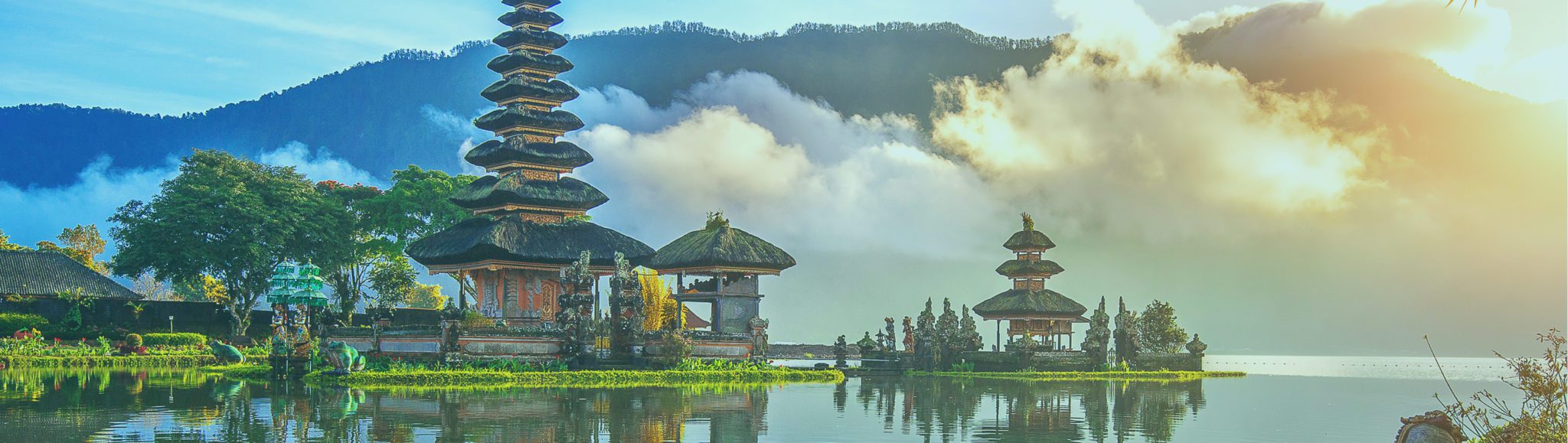
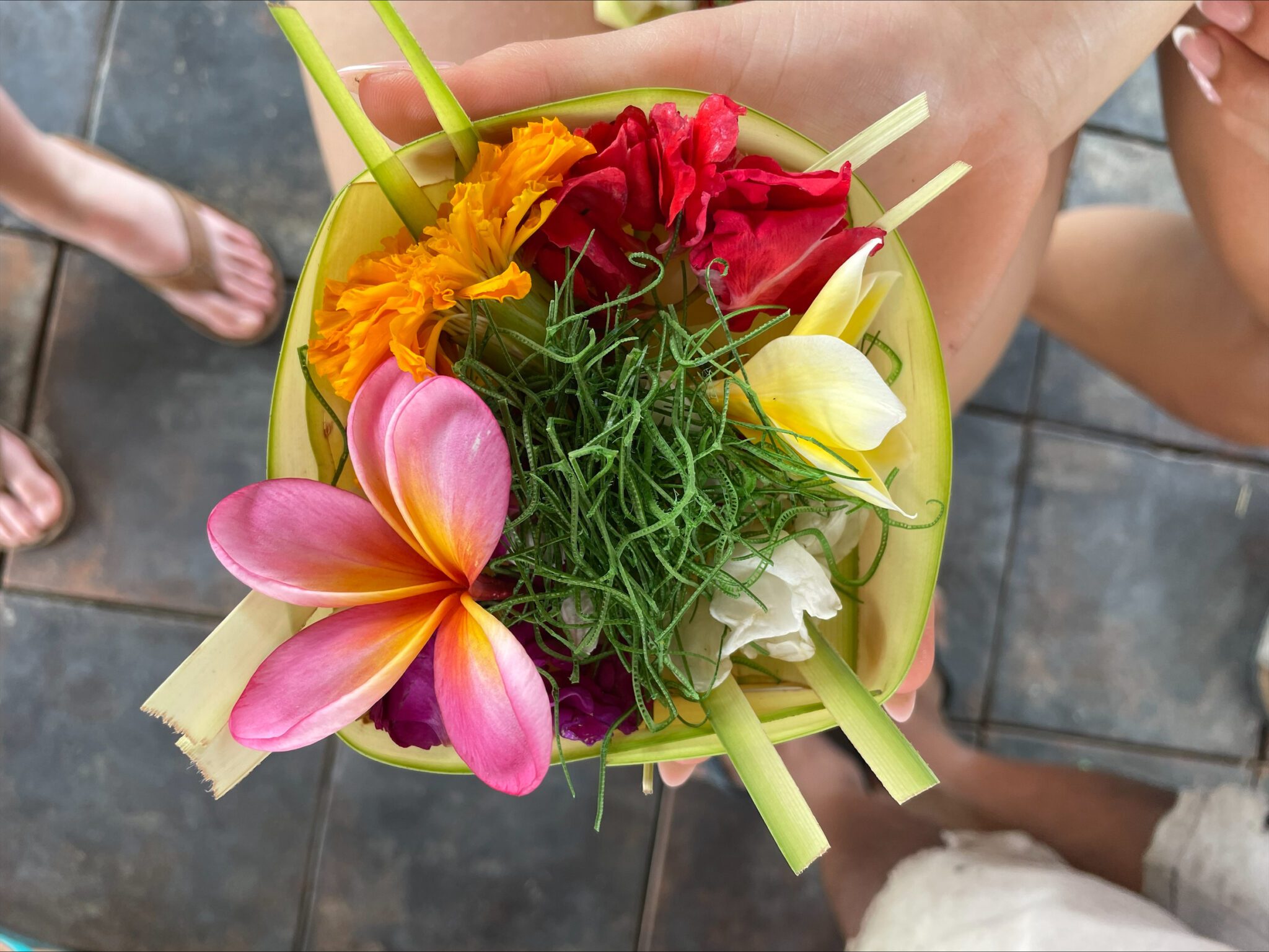
Bali is also called "Island of the Gods" and you can find more than 10000 temples on the island. The Balinese believe in spirits and nature gods and worship their faith with respect and grace. For them, it's about balancing the spiritual and material worlds. You will therefore experience an island full of ceremonies, temples, special rituals and magical atmosphere.

Academic programmes

We will delve into Balinese culture, religion and history.

We need to learn about custom and usage.

We need to plan training that we need to implement during our school visits.

We go into the kitchen and prepare some of the Balinese national dishes: Nasi Goreng, Satay and Mee Goreng.

We will learn various polite phrases in Bahasa (the official language).

We are preparing for our ‘Meet the Locals’ project

TRAVEL

On this cultural tour of Indonesia, the trip begins on the country’s most visited island – Bali. We want to take the pupils behind the scenes of mass tourism and show them the ”real” Bali.
On the trip, we’ll visit two different towns, each of which showcases its own side of Bali.
During the first half of the trip, we’ll be staying in Ubud, which is Bali’s undisputed cultural centre. Surrounding Ubud are the beautiful, lush rice paddies, which are listed as a UNESCO World Heritage Site. For the final part of the trip, we’ll be in Sanur, a charming beach town on the east coast of Bali. Sanur also serves as a gateway to the small islands of Nusa Penida and Nusa Lembongan, where we’ll be spending a day.
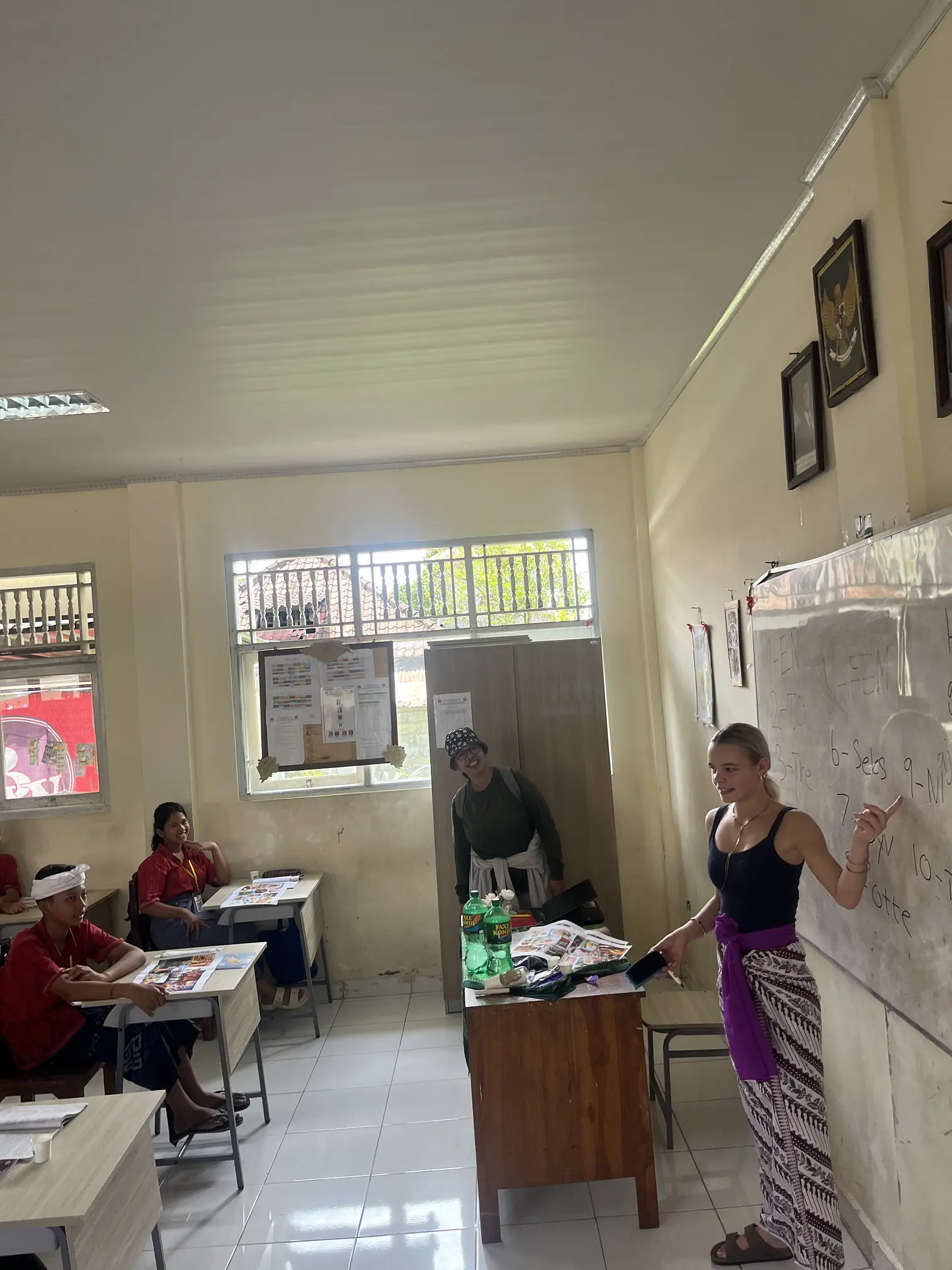
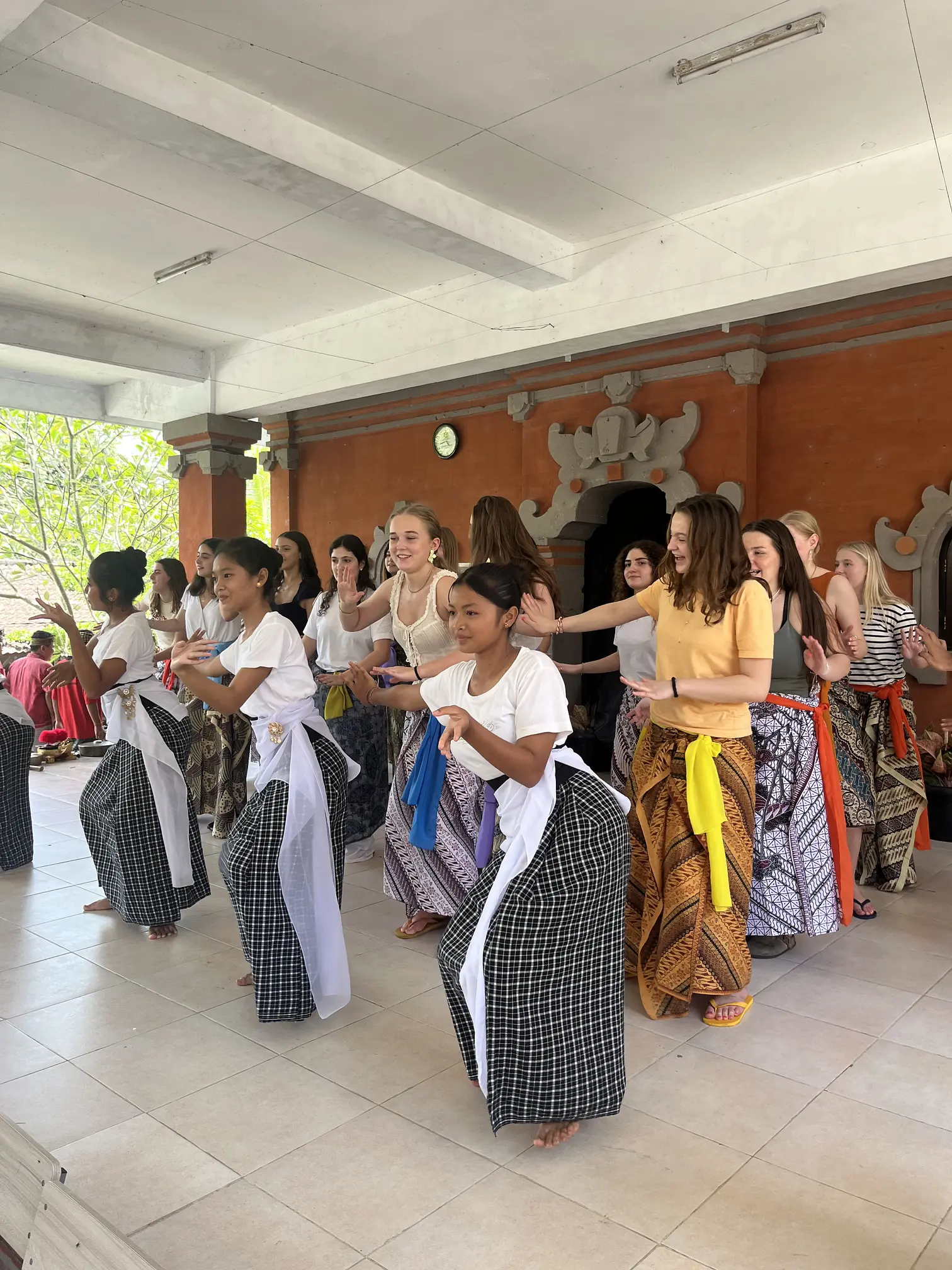
In Ubud, we will be visiting Rimba Garden School over the course of several days. A large part of the energy we bring with us from home will be channelled into this school visit, which is an additional opportunity for local Balinese children. Here, they receive lessons in, amongst other things, horticulture, self-sufficiency, waste sorting, sustainability, composting, permaculture, cookery and English. Here, our pupils will teach English and share their own culture, learn to cook Balinese food with the local children, and lend a helping hand with whatever needs attending to at the school.
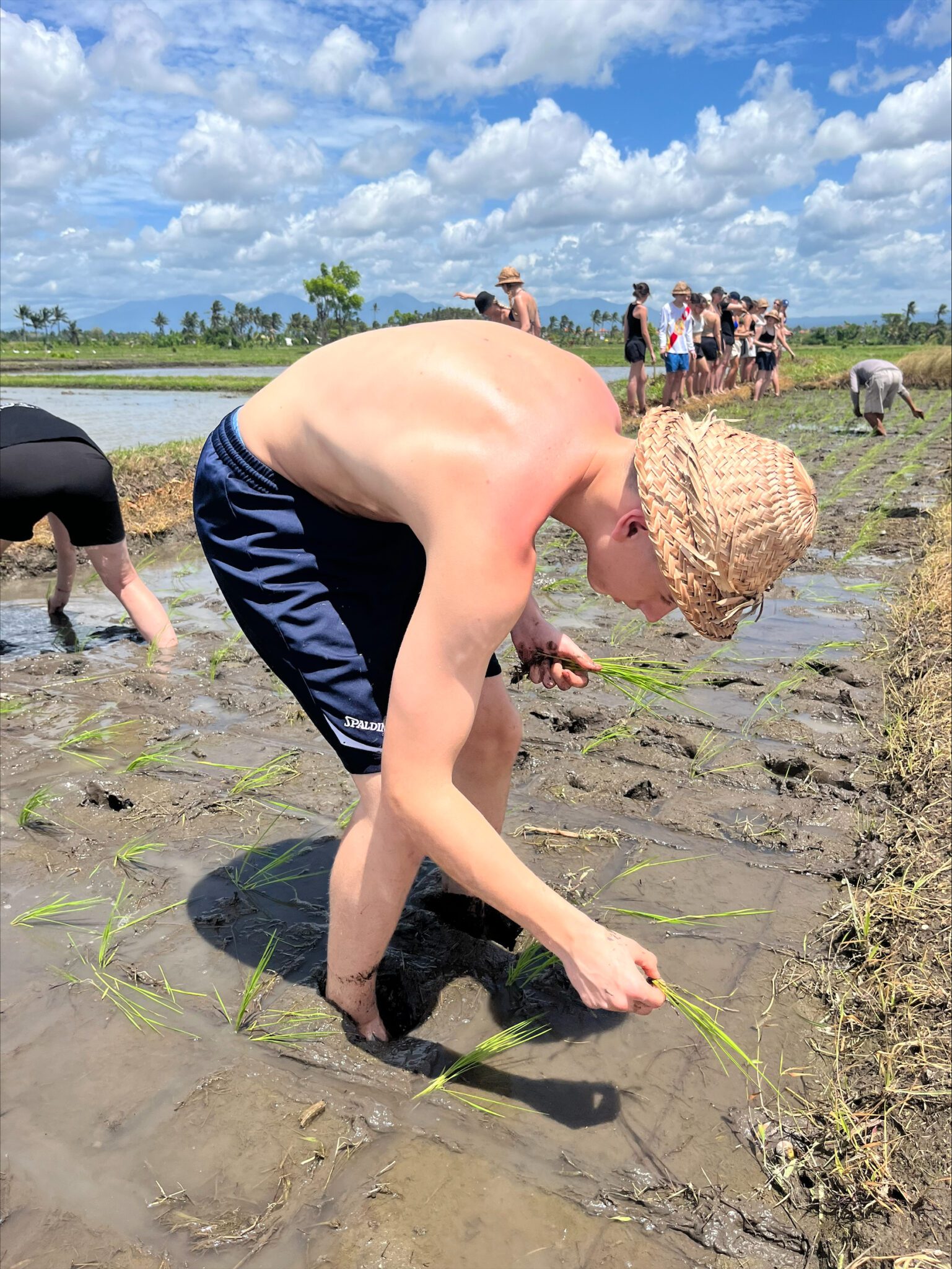
In addition, we will visit local families and experience everyday life as a Balinese person. We’ll gain an insight into the preparations involved in the many Hindu ceremonies held by the Balinese, and as Bali is an agricultural country, we’ll also be following in the footsteps of a farmer who will show us how to plant and harvest rice.
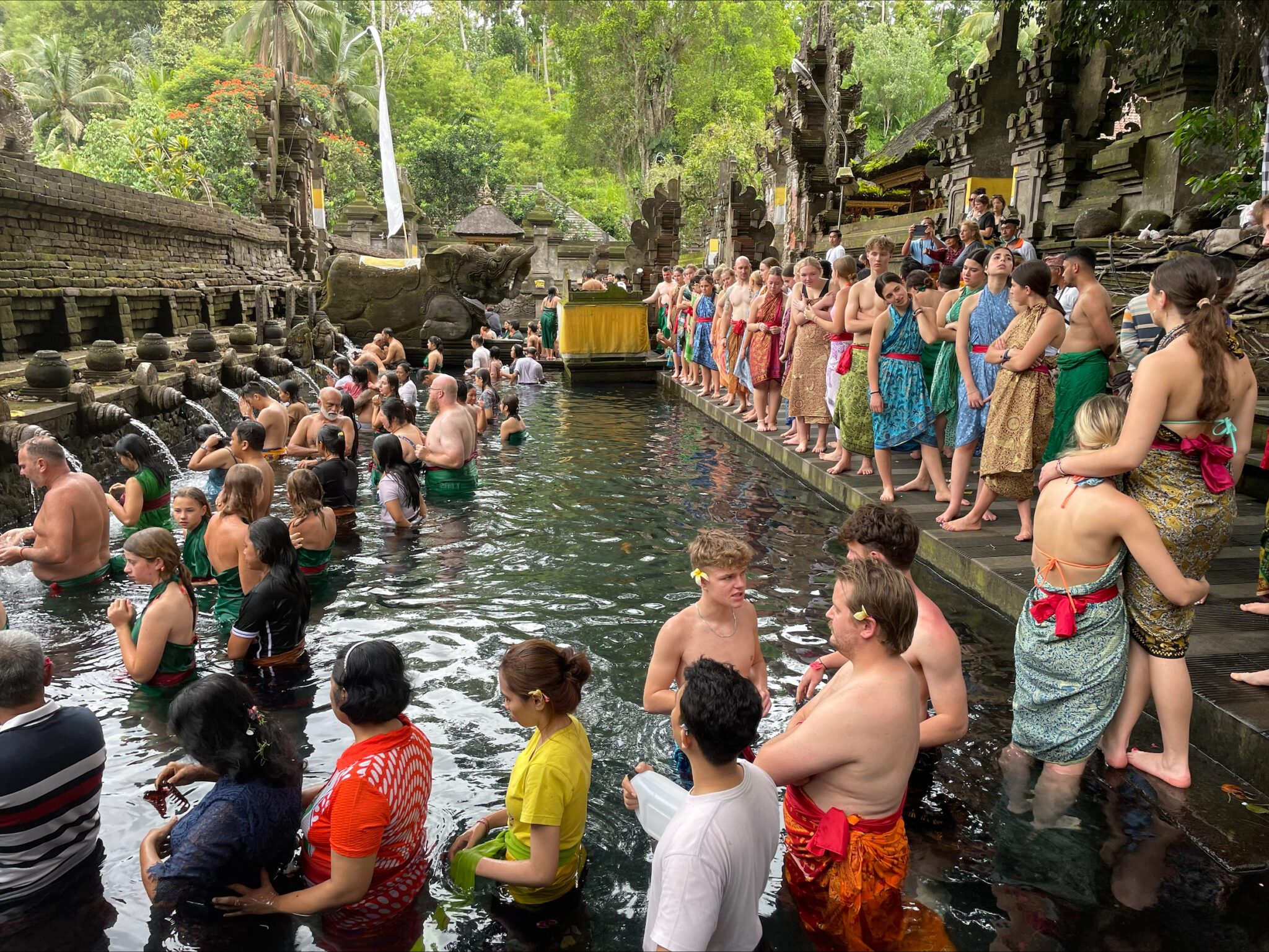
A large part of the Balinese people’s identity lies in their religion, and we will therefore also take part in a ceremonial event. The pupils will experience a Melukat, which is a purification ceremony. We will visit one of Bali’s water temples and have our souls purified.
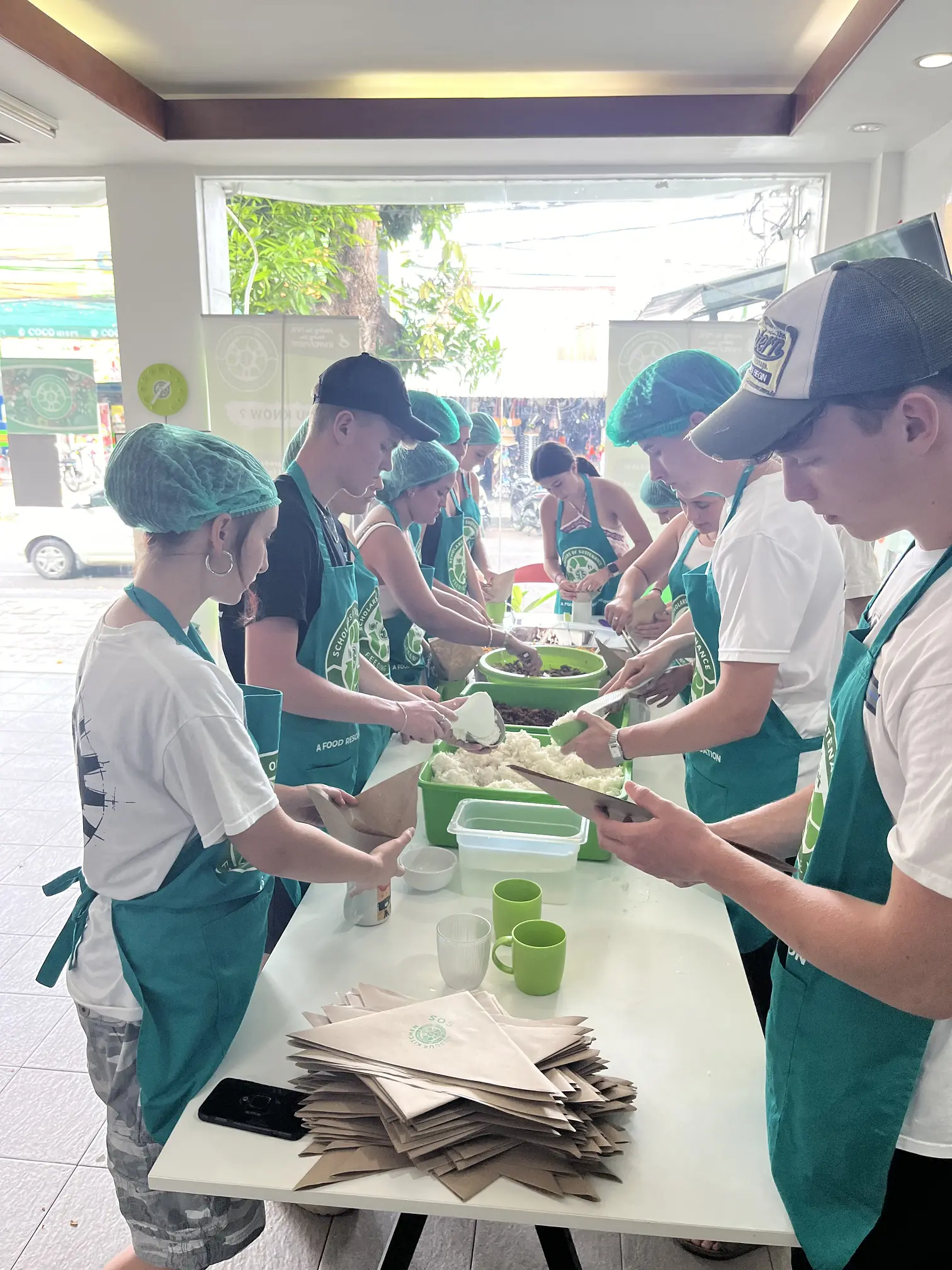
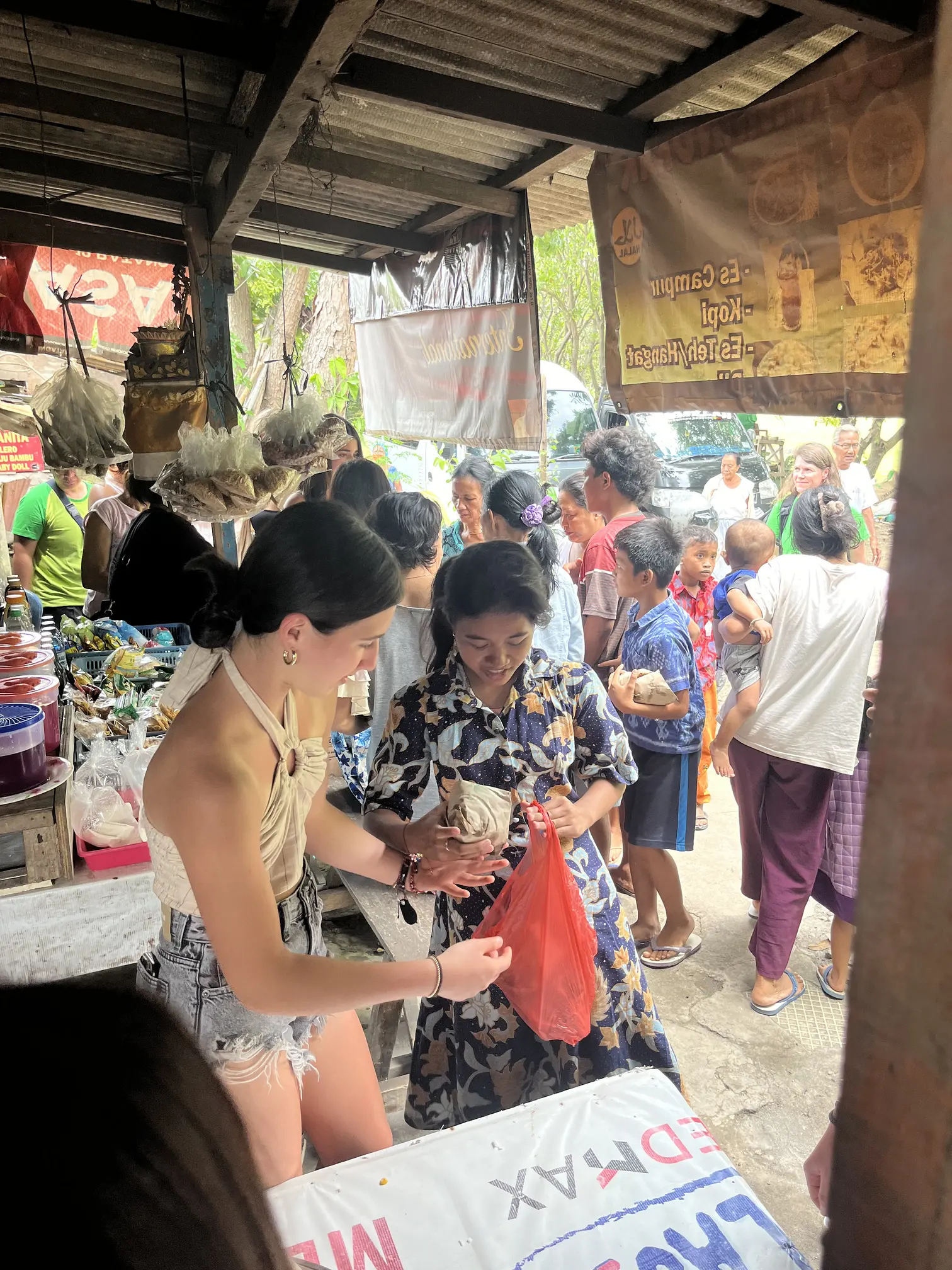
In Sanur, we’ll be taking part in two charity projects. We’ll be carrying out a beach clean-up alongside the organisation Seasoldier, who’ll also be telling us about one of Bali’s biggest challenges: the tonnes of plastic waste washing up on the beaches. We’ll also be working with SOS (Scholars Of Sustenance), which specialises in collecting food leftovers from restaurants and hotels. The food is prepared and turned into hot meals, which are then distributed to families in need. We’ll be involved throughout the whole process.
Other activities during the trip include:
  • Visit traditional markets, where we’ll buy our own sarongs
  • Waterfalls
  • Village life
  • Day trip to the island of Nusa Lembongan

VACCINATIONS

Tetanus, Diphtheria, Hepatitis A

ECONOMY

Self-payment on the journey will be approximately DKK 14,000.

Pocket money: App. 1.000 DKK recommended

TEACHERS

Anne Schmidt Rasmus Diget Venneberg