



Category
Cultural studies, TravelThe Philippines – A Cultural Journey
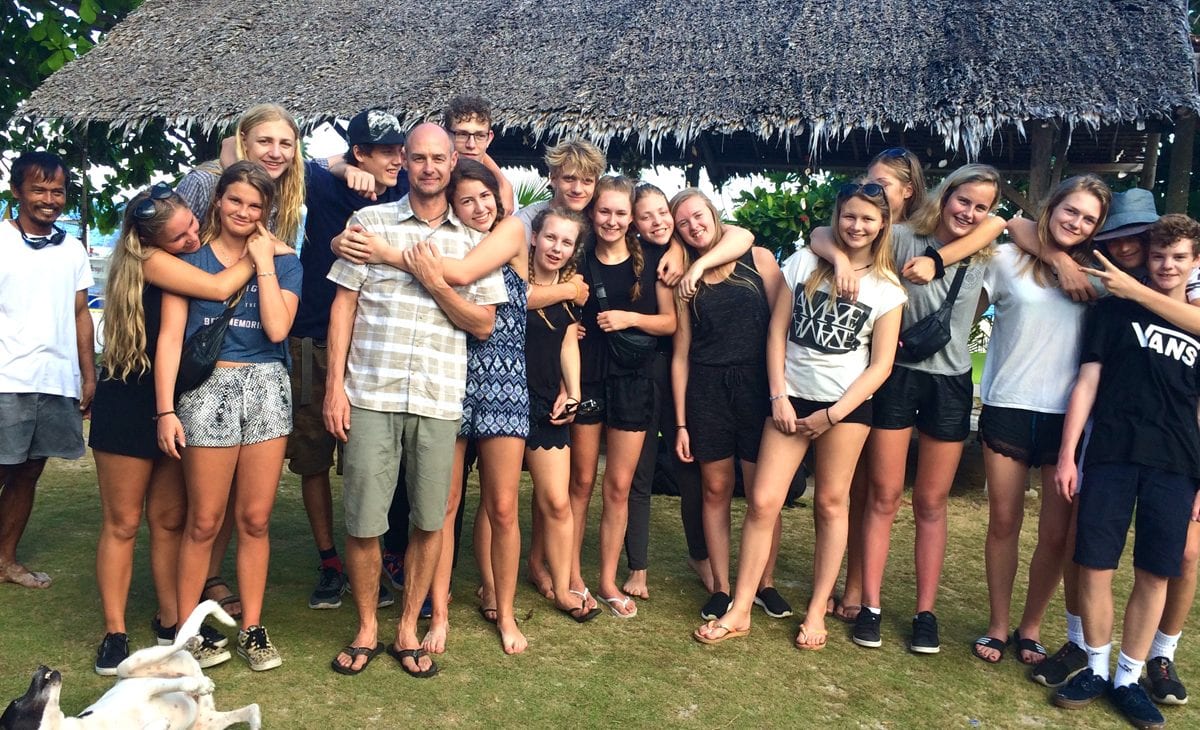
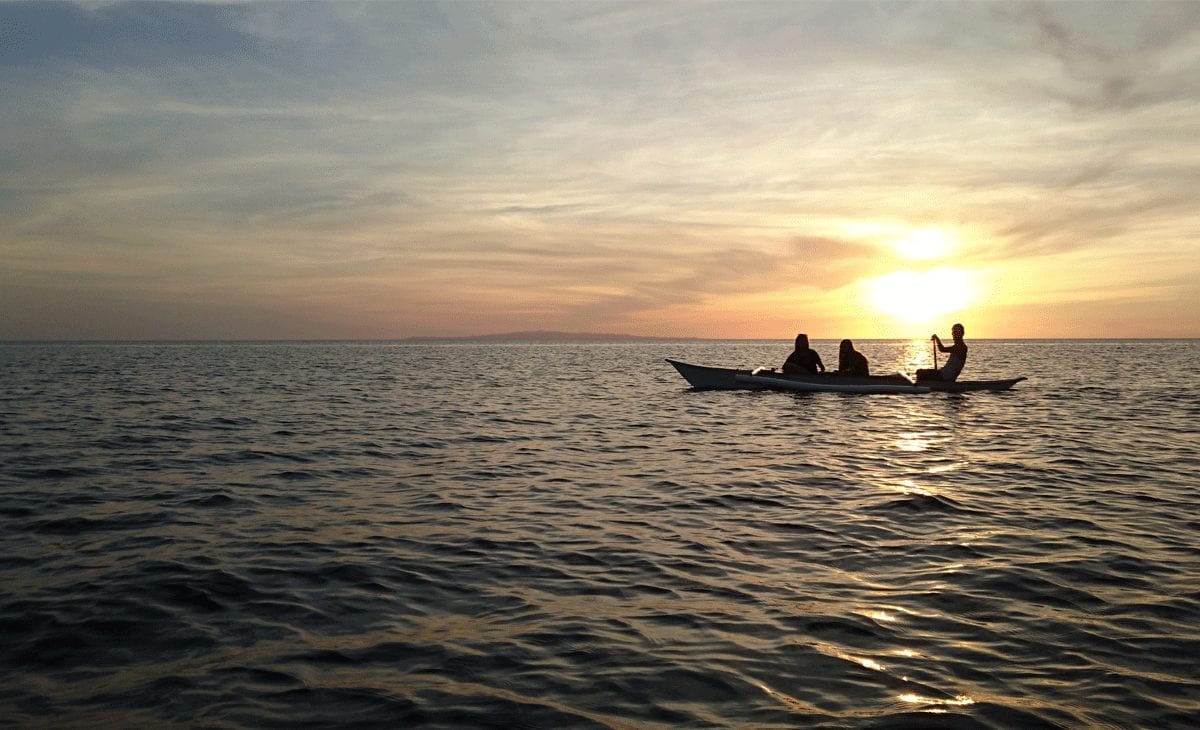
During our study trip to the Philippines, we’ll get an up-close look at everyday life there and gain an understanding of what it’s like to be young in a completely different part of the world. We’ll first head to the metropolis of Manila, before travelling to Cebu and later Bohol. On the trip, we’ll explore the beautiful natural surroundings through island hopping, meet Filipino pupils at Senior High School, meet local fishermen and farmers, and learn about colonisation, poverty and livelihoods.
The lessons
As part of the preparation for and the study trip itself, we will be working on the following UN Sustainable Development Goals: 1 – No Poverty, 14 – Life Below Water and 15 – Life on Land. The aim is to develop a greater understanding of some of the societal challenges facing the Philippines, whilst also putting the pupils’ own everyday lives into perspective.
Among other things, pupils are to investigate how poverty affects people’s opportunities and living conditions, and how economic disparities and livelihoods can influence access to education, healthcare and future prospects. In this context, pupils must also consider how Filipino society is seeking to create better opportunities for people living in poverty.
All of this should culminate in a project of their own choosing, which the pupils will work on before, during and after the trip.
The trip
First, part of our time in Manila will consist of a city walk, during which we’ll learn about the history of the Philippines, with a particular focus on colonisation and José Rizal, and we’ll visit an NGO. Later, we’ll head to Cebu, where we’ll experience the Philippines’ beautiful natural scenery, learn about the craftsmanship behind guitars and perhaps try our hand at the Philippines’ national martial art. Arnis.
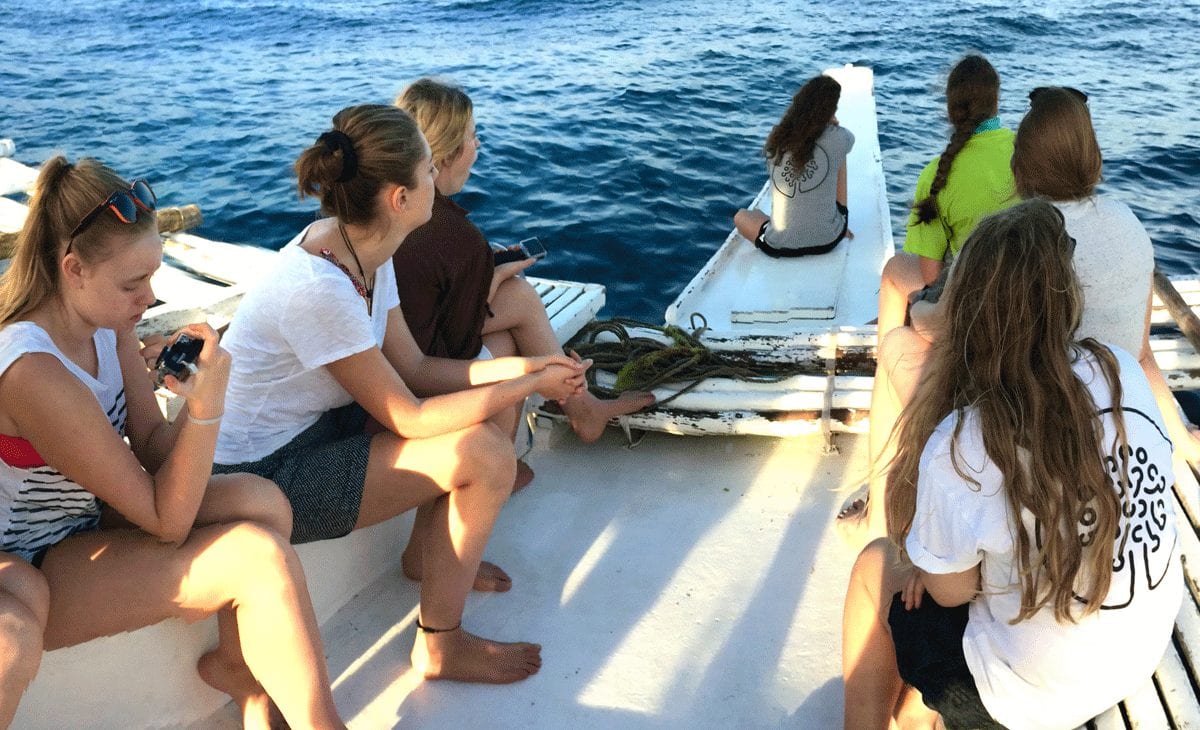
Finally, we’ll be heading to Bohol, where a particular focus of the trip will be cultural exchange, as the pupils will be interviewing local farmers and fishermen and working alongside Filipino pupils of a similar age. Here, we can share experiences of making a living, school life, leisure time, family, dreams and everyday life – and discover both differences and similarities across cultures. Finally, we’ll head to island hopping to see some of the beautiful islands in the area, and we might even get the chance to go diving on the coral reefs.
After the trip
When the pupils return to school, they must complete the projects they have chosen themselves and prepare to present what they have learnt. Furthermore, the projects must incorporate two of the UN’s Sustainable Development Goals – for example, those we worked on before the trip. The pupils will round off the trip with a presentation for parents and other visitors at the school’s cultural studies day.
Terms and economy
The patient’s contribution will be approximately 11,000 DKK.
Visa included, if you have a Danish passport.
Recommended pocket money: 500–750 kr.
Vaccination
The State Serum Institute recommends vaccination against tetanus, diphtheria and hepatitis A.
Teachers
Christian Lønsman Larsen
Rosemarie Banawa Larsen