




Thailand
Category
Culture SubjectsTHAILAND
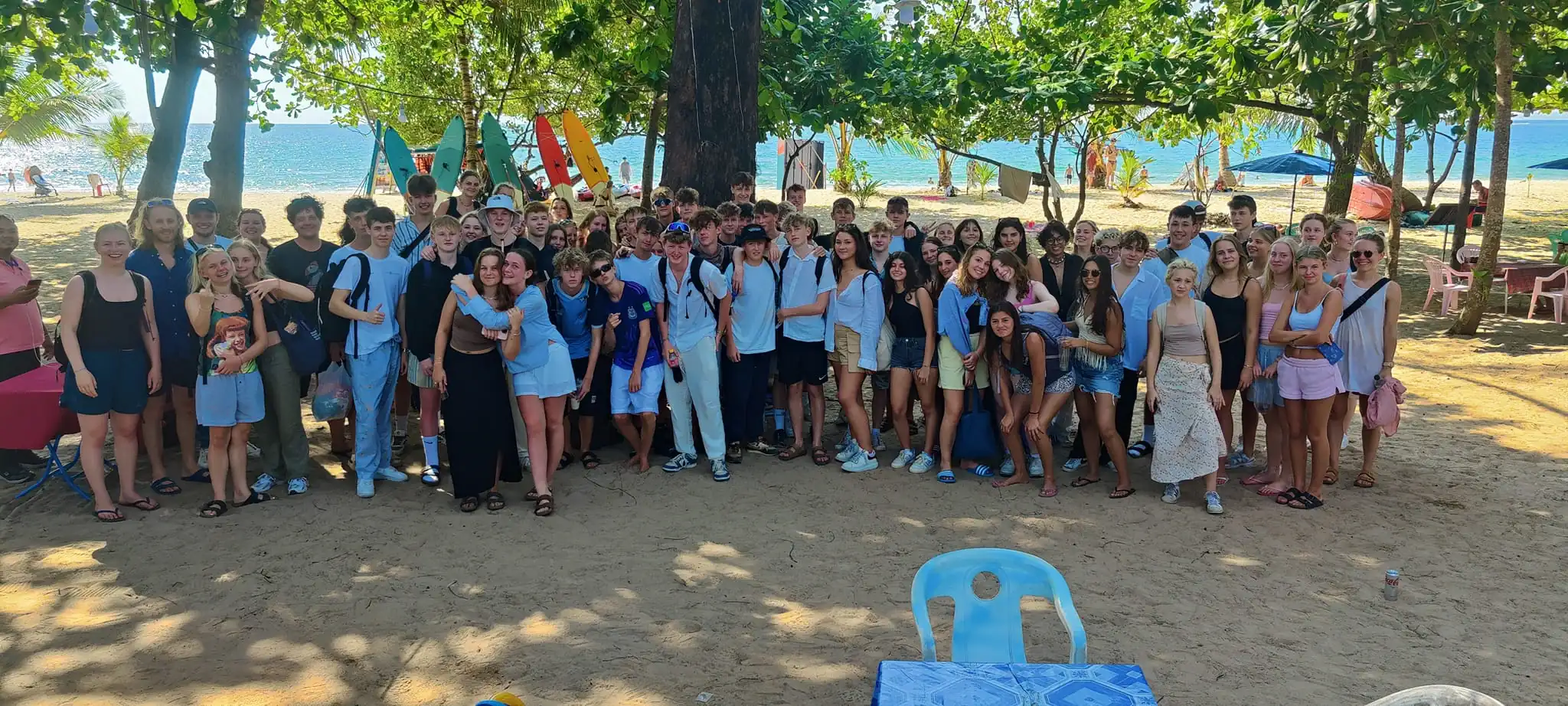
This course will focus on an introduction to the cultural, environmental and societal diversity of Thailand. Thailand’s geography means that the variety of what the country has to offer is very wide compared to many other countries. You will find mountains, cliffs, jungle, rice fields, waterfalls, islands and beaches – sometimes all within a relatively short distance. The cultural differences between the north and the south – or even between the east and the west – are evident in language, traditions, art, architecture, religion and food. This course will explore Thai culture, history and heritage, as well as modern society – with a particular focus on the environment, nature, marine life, sustainability and lifestyle.
One of our approaches will be to visit schools and explore a wide range of different aspects of Thai culture in depth. We will also be working alongside local non-profit organisations and volunteering on various projects.
CLASSES
In class, we will explore various themes and issues to gain a deeper knowledge and understanding of Thailand and its diverse cultures. As part of this, we may invite guest teachers to teach us a bit of Muay Thai, show us how to cook Thai dishes or teach us a few Thai phrases. We will also explore key concepts such as cultural understanding and religion, as well as issues such as inequality and LGBTQ+ rights. Another important theme is the environment and nature. We will work with the UN Sustainable Development Goals and various environmental experts or organisations to learn and understand more about the relationship between humans and nature.
Before we go on the trip, we will already have been working on the UN goals, life on land and life beneath the water. Our aim is to be able to compare and perhaps identify parallels between problems that are common to both Thailand and Denmark.
TRIP
REC has a strong bond to Thailand - both in terms of the many students that come from Thailand every year, our partners and previous culture travels.
A cultural trip to Thailand is not a holiday where the itinerary is fixed before we set off. The students are expected to work together to influence the itinerary, and so our destinations and projects have varied from year to year. Below is a brief description of the overall aim of our trip this year.
Thailand - Culture, Nature & Sailing
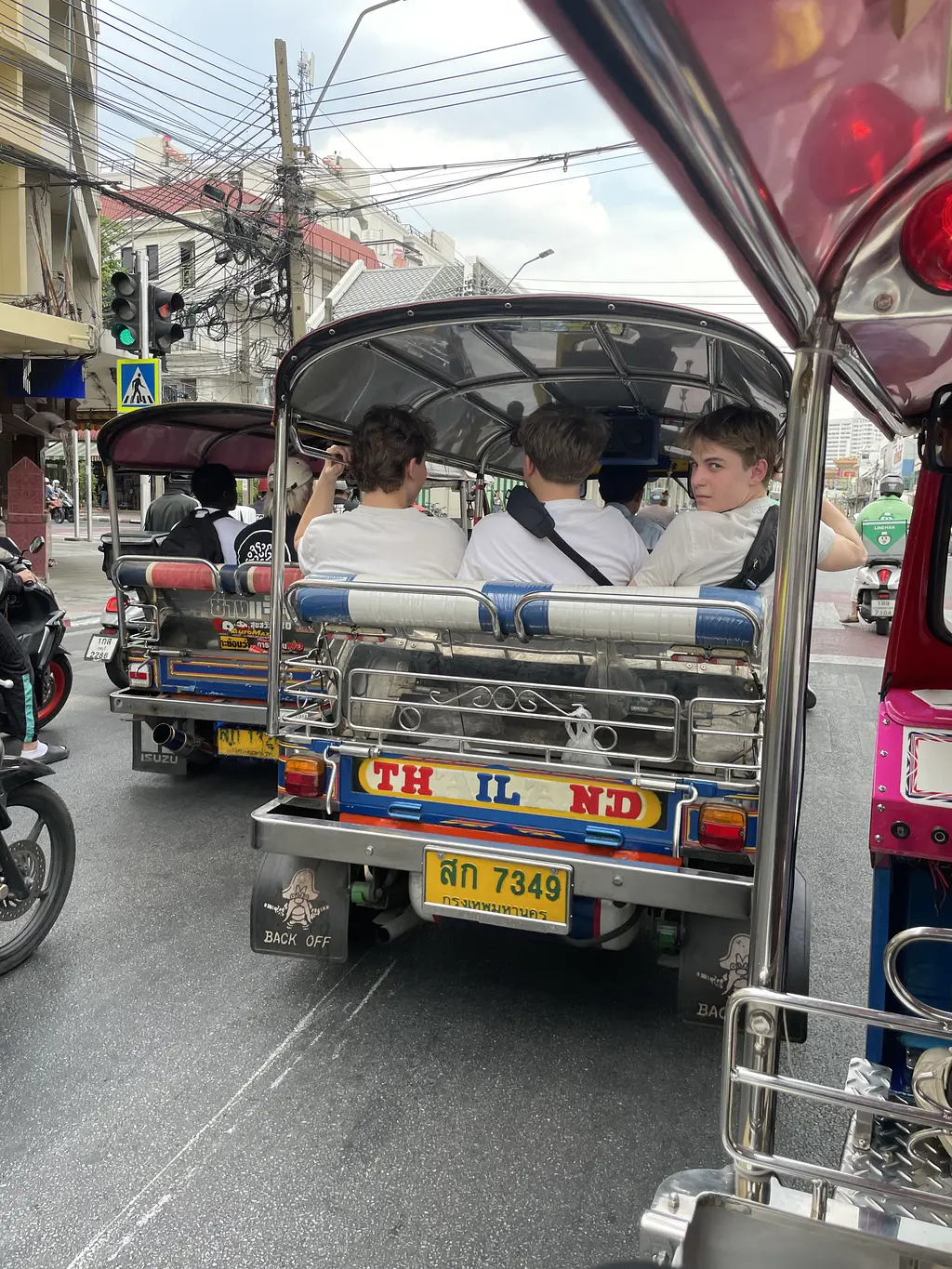
The programme so far will be divided into three parts. We will begin our trip in Bangkok, where we will get a glimpse of everyday life in a metropolis where culture is evident everywhere. We will visit ancient temples, go to a Muay Thai match, enjoy the street food, and visit the event areas and soak up the bustling energy of the big city. It is a priority to forge links with schools and various organisations, so that we can meet and interact with local Thai students, gain a deeper understanding of everyday life for Thai people in the city, and learn in greater depth what it means to be a young Thai person in Thailand today.
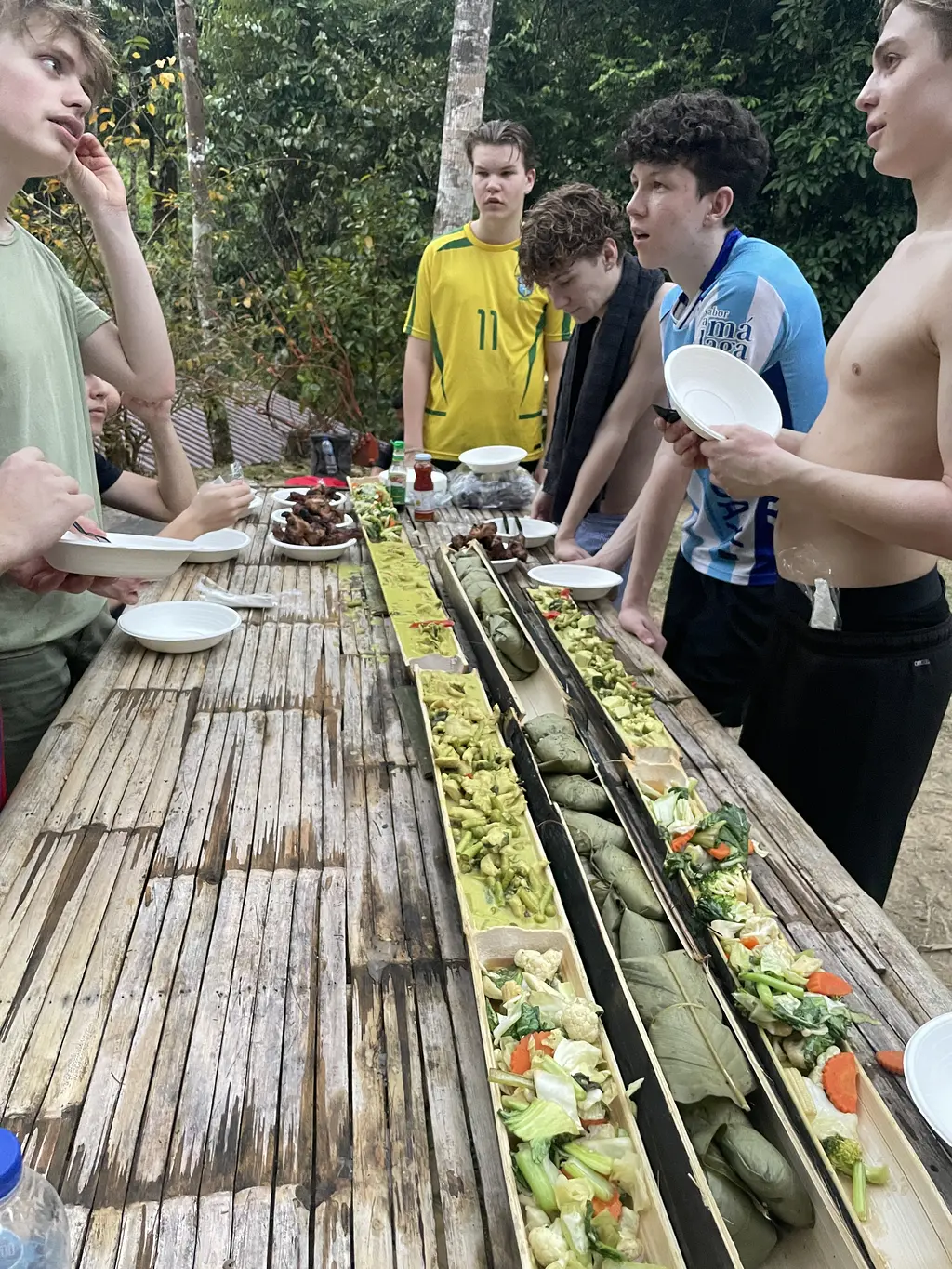
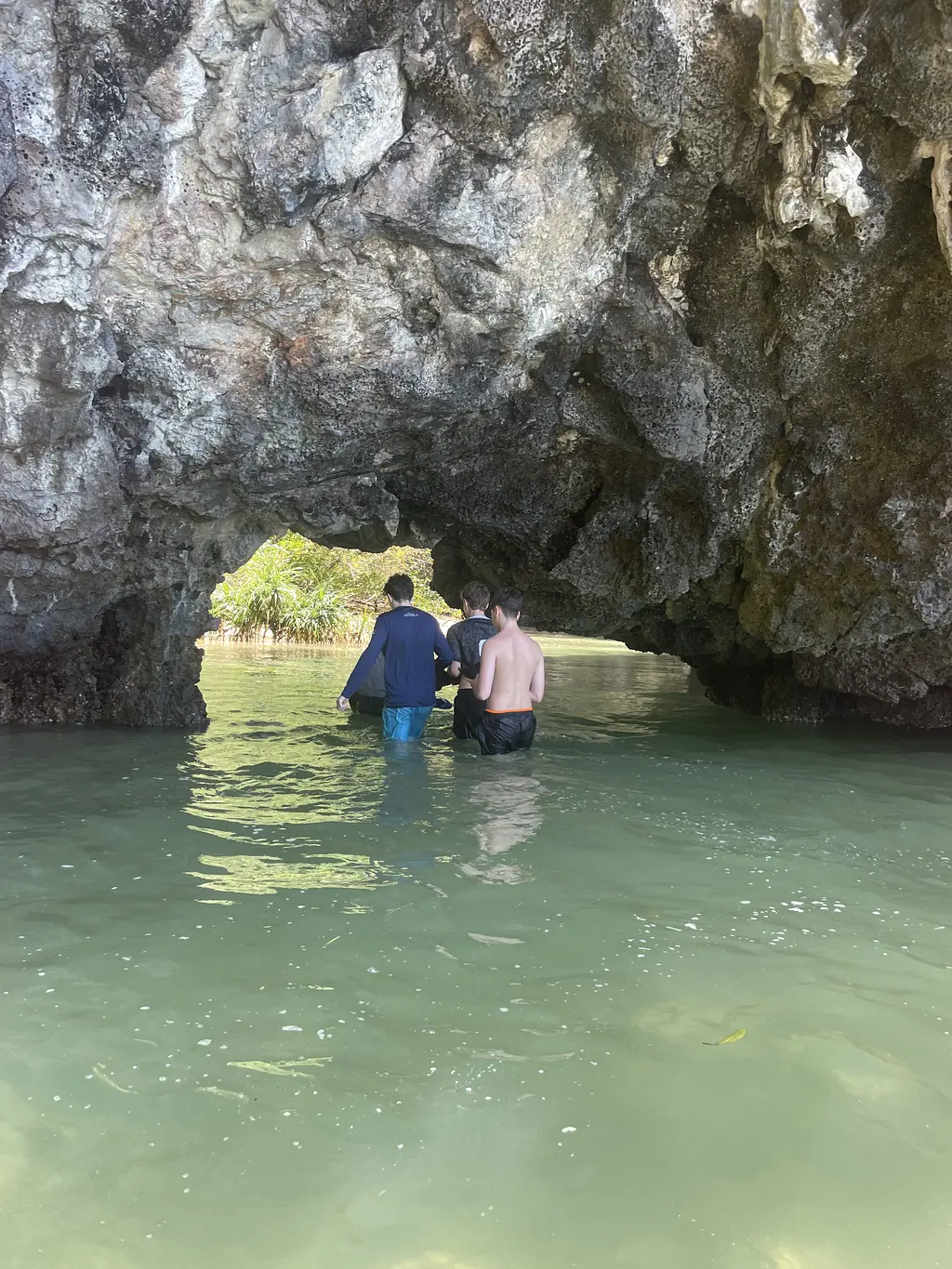
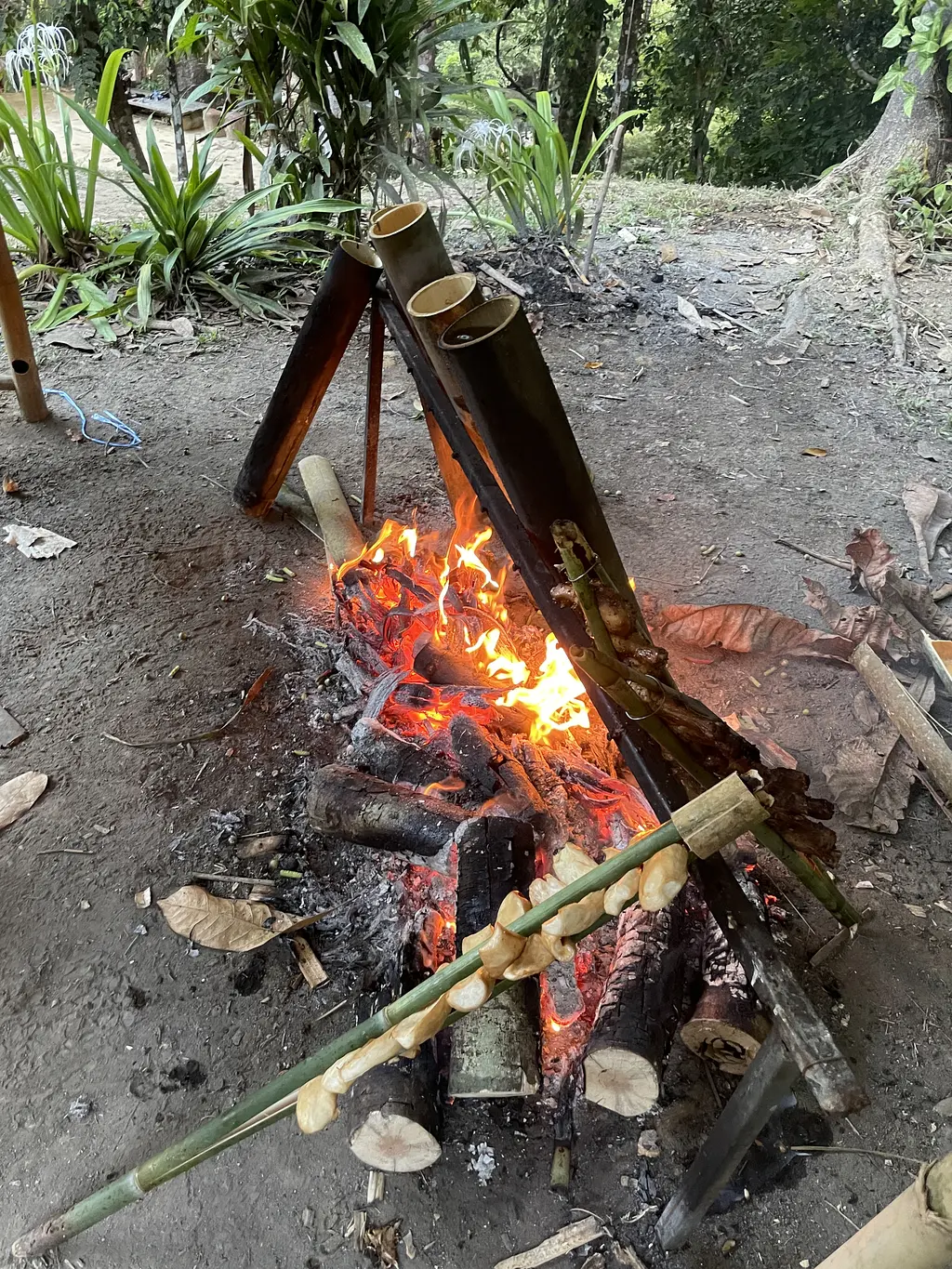
After a few days in Bangkok, we will head into the wilderness of Khao Sok. You will get to hike through the humid jungle, cook in the wilderness and hike back at night. We will experience Thai wildlife at first hand and gain a better understanding of the challenges facing nature and wildlife in this part of the world.
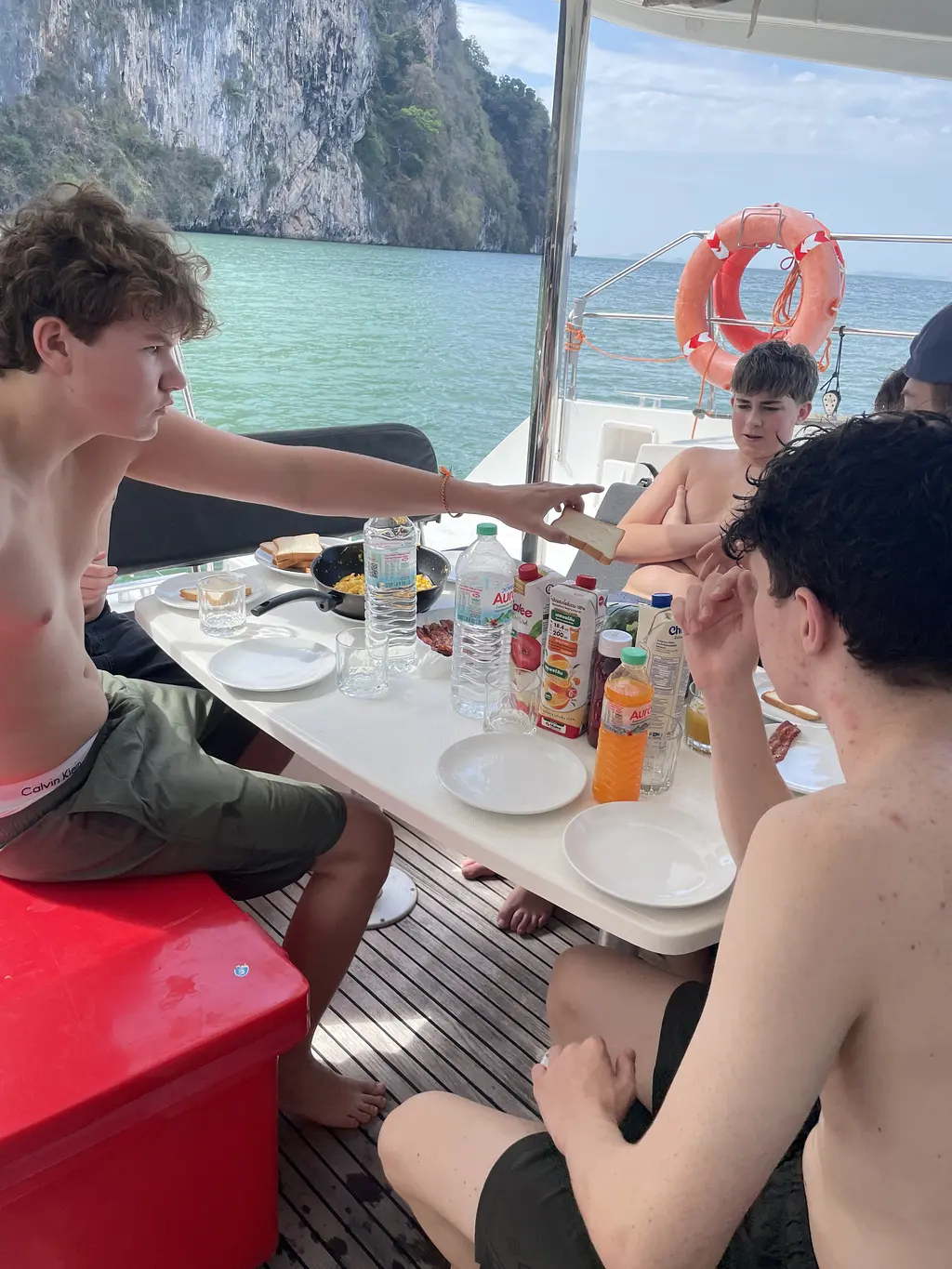
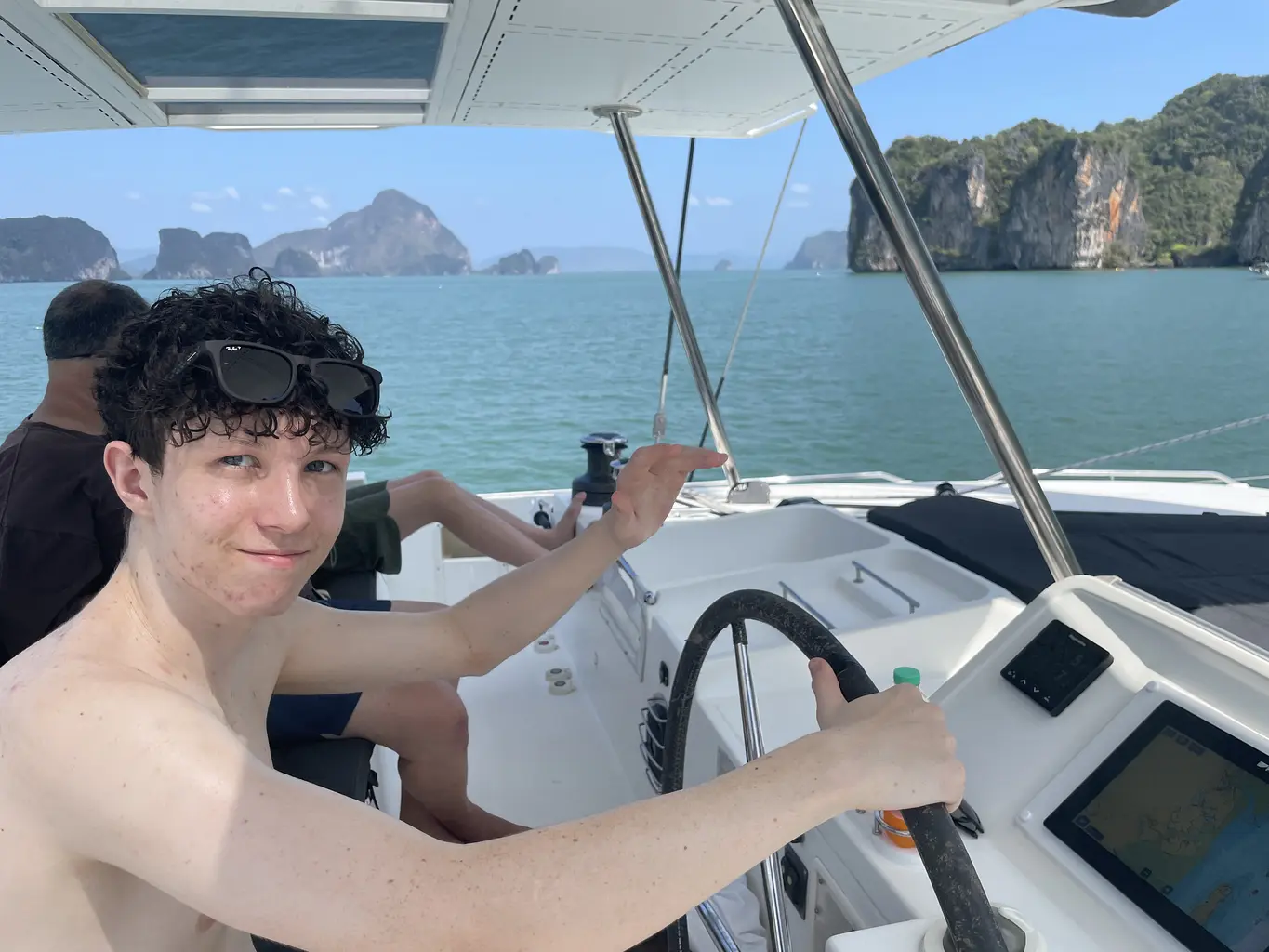
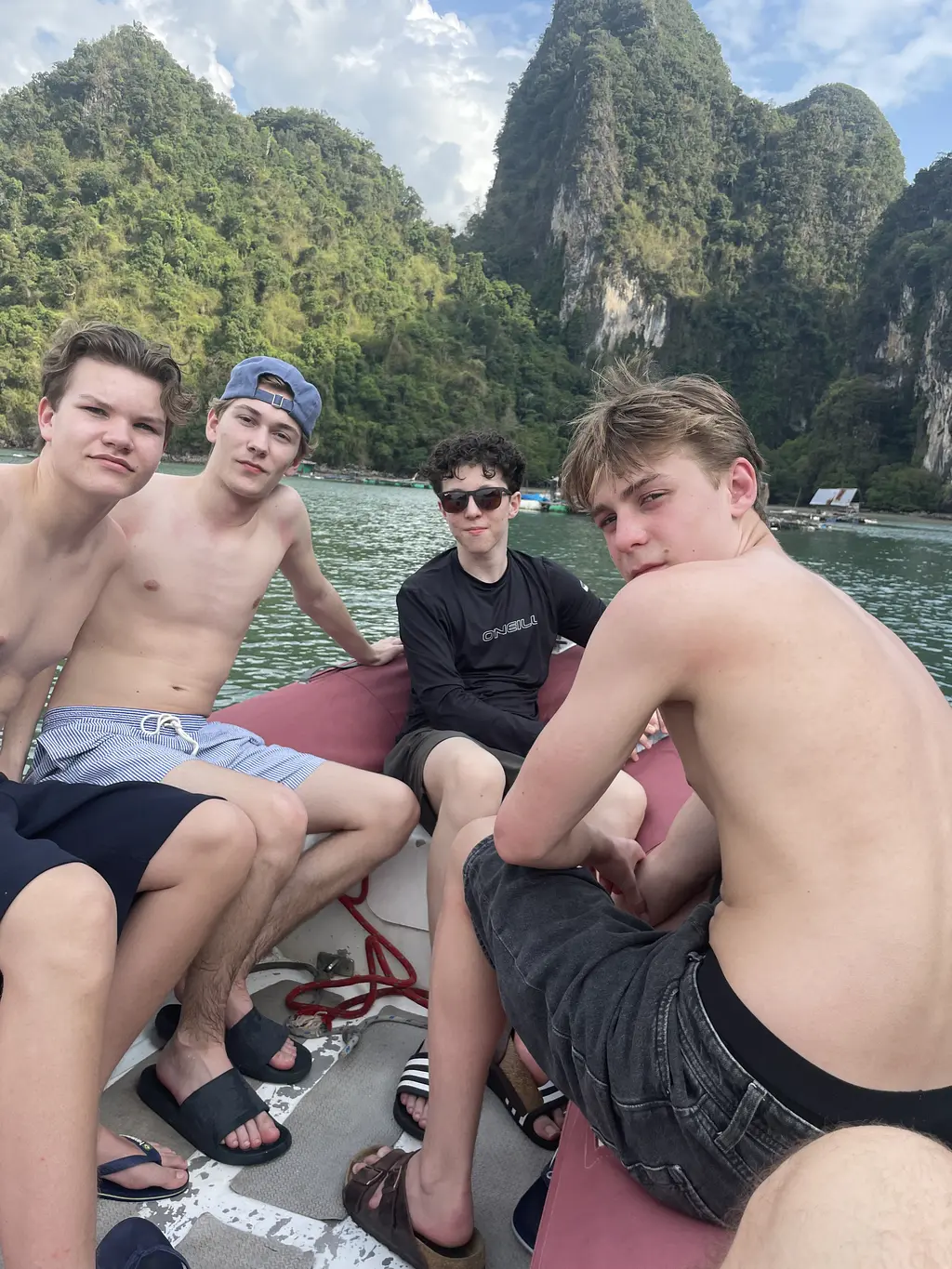
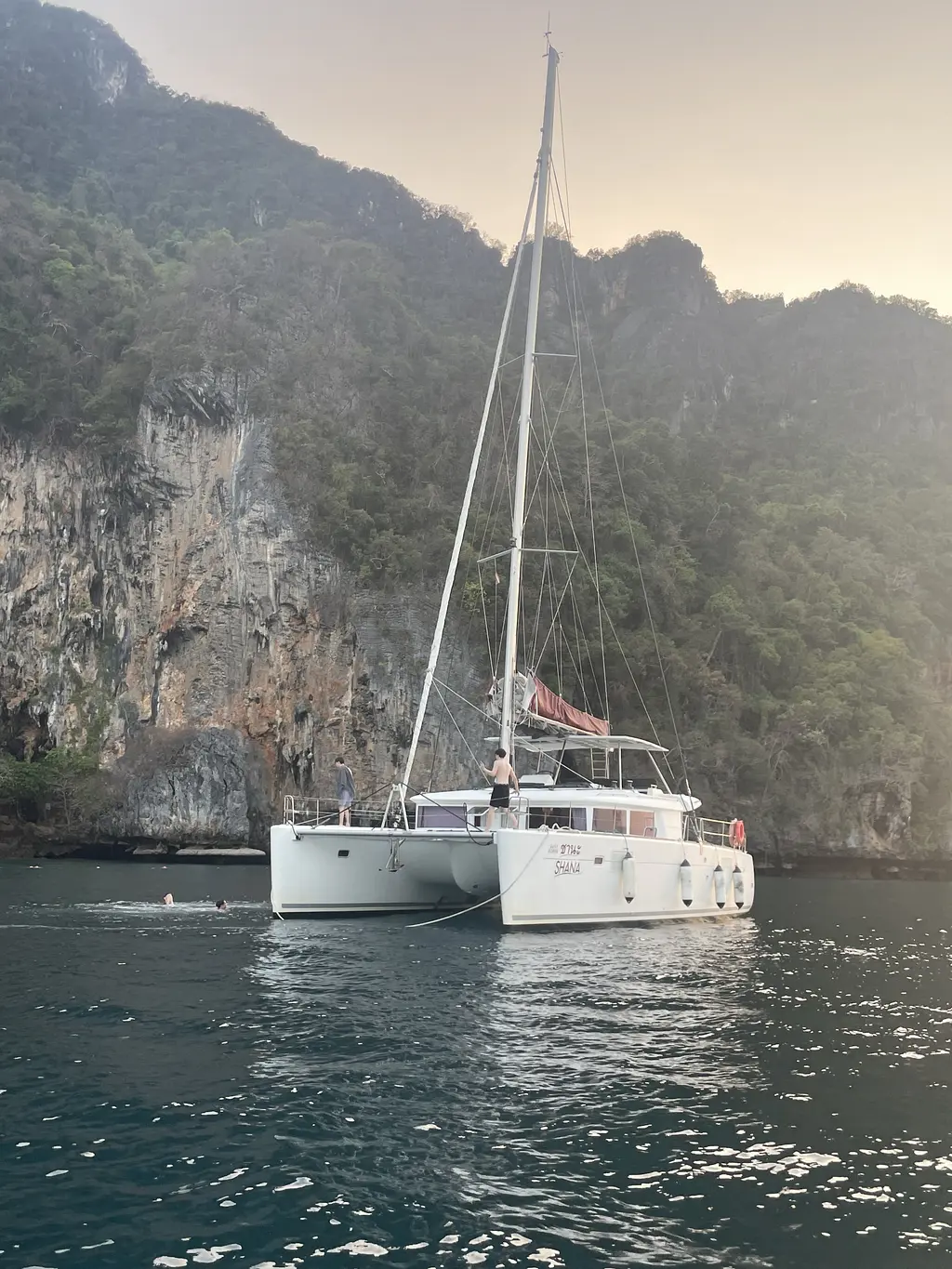
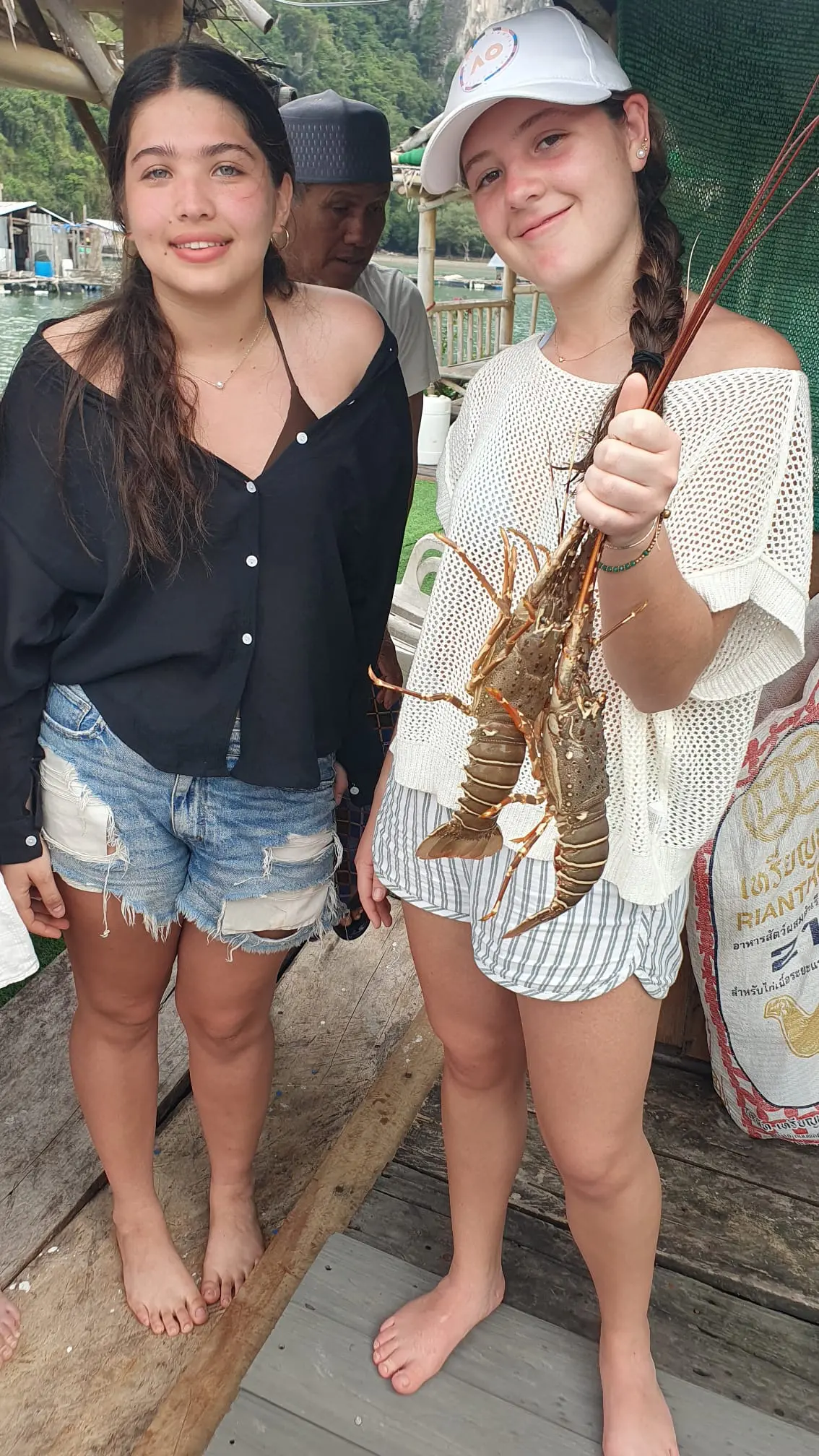
When we arrive in Phuket, we will go sailing on two large catamarans. We will visit islands, go snorkelling in the crystal-clear waters and go on short excursions on land. We will also be focusing on marine life, environmental sustainability and the Thai way of life on the islands and along the coast. When you’re on a boat, it’s important to work closely with the skipper and get involved in all aspects of running the boat – from cooking and cleaning to navigation and sailing. It’s a real commitment!
Over the next few days in Phuket, we will be working alongside our partners on various projects. The underlying aim is to work with members of the local community and gain a better understanding of the local culture, the relationship between the local population and, to some extent, the tourism industry on the island, and, by extension, the consequences of this and the measures taken.
We have previously worked with: the Sustainable Maikhao Foundation, UWC Thailand, the Gibbon Rehabilitation Centre, the Life Home Project Foundation and Phuket Pearl – to name but a few.
AFTER THE TRIP
Part of the assessment of the course and the trip involves a presentation prepared by the students, in which they will share what they have learnt and experienced. Students are also required to produce an ‘entry’ for the PVA competition as part of this assessment process. The reflection and evaluation process is a key element of the course and is regarded as a tool for linking personal experiences – learning from both classroom sessions and the trip itself – with the development of intercultural understanding. Students must learn to reflect on their own role as travellers and citizens in a globalised world.
ECONOMY
Travel costs: 15,000 DKK
Pocket money: 1000 DKK
VISA
Danish nationals - will receive toursit visa on arrival
EU nationals - ibid
Non-EU nationals – depends on nationality. Check: https://thaievisa.go.th/ Everyone must have a passport valid for at least 6 months after the return date of the trip!
VACCINATIONS
Diphtheria
Tetanus
Hep A
EXPECTATIONS OF STUDENTS
You must have an interest in the country and a desire to meet new people. You also need to be keen to get actively involved in projects and exchanges, both during lessons and whilst travelling. There are no specific requirements for the sailing part, as you will be prepared for this before the trip.
 | |
| Jesper Bach Christensen jbc@ranumefterskole.dk |